Mrs. Meyer’s Clean Day has become a familiar name in many eco-conscious households. For those curious about greener ways to keep things fresh, exploring free samples of Mrs. Meyer’s products may be worth considering.
In this article, we’ll look at what Mrs. Meyer’s offers, where to find legit sample opportunities, and why more people are trying these eco-friendly household products.

Even if you aren’t sure about making the switch, understanding the benefits behind plant-derived cleaning can be useful—whether you’re a student, a homeowner, or just seeking gentle options for sensitive skin.
What Makes Mrs. Meyer’s Eco-Friendly Cleaning Products Different?
Not all cleaning products are created equal. Mrs. Meyer’s Clean Day products take a little bit of a different approach—they focus on formulas made with plant-derived ingredients and essential oils rather than harsh chemicals.
Their product range covers everything from all-purpose sprays to dish soaps, laundry detergent, and hand soap.
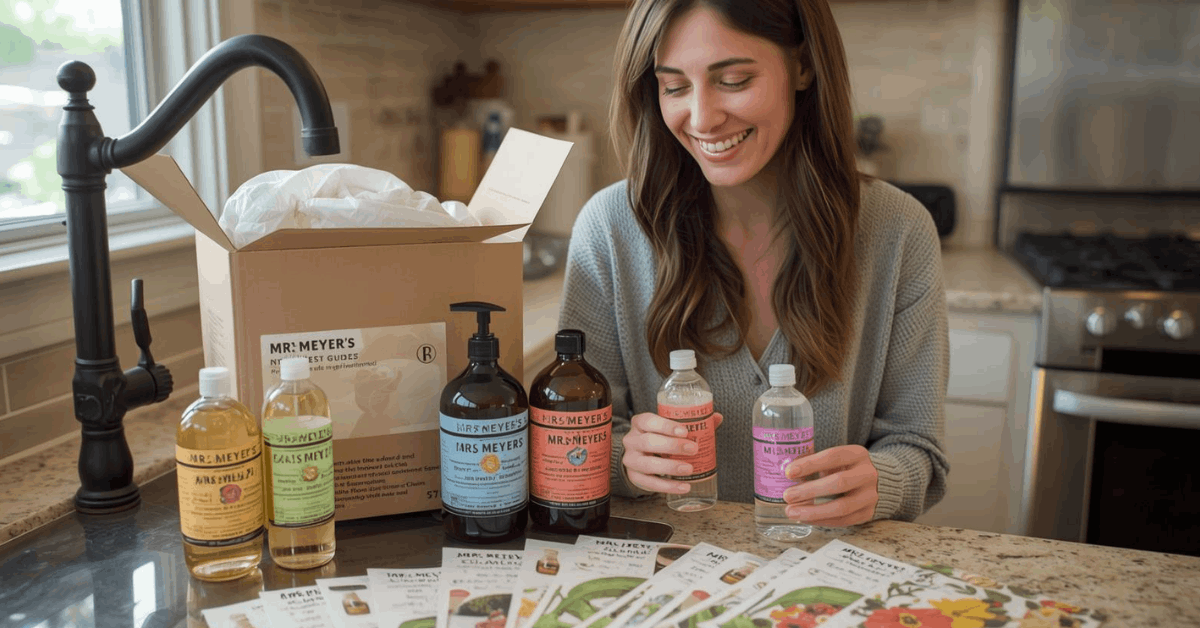
Admittedly, the idea of “eco-friendly” sometimes feels like just another marketing buzzword, but here, it means lower levels of synthetic additives and a stronger emphasis on biodegradability.
For many, this isn’t just about cleanliness; it’s about making choices that might be safer for kids, pets, and the world outside the kitchen window.
Who Should Consider Trying Free Mrs. Meyer’s Samples?
While eco-friendly cleaning products appeal to a broad audience, several groups tend to find samples particularly relevant:
- People with allergies or sensitive skin who want to avoid strong fragrances and chemicals.
- Anyone exploring greener living habits, even if they’re just starting out.
- Budget-conscious shoppers looking to test before they invest.
- New renters or homeowners setting up a chemical-free home routine.
- Curious parents seeking safer options for children.
Trying a sample first might lower the risk and remove that feeling of hesitation before buying a full-size bottle.
How to Find Mrs. Meyer’s Free Sample Opportunities Online
Scoring a sample of Mrs. Meyer’s isn’t always straightforward. The official website, Mrs. Meyer’s Clean Day, sometimes offers promotions on special occasions (Earth Day or product launches).
You might see announcements through social media—so following their official pages may be helpful, but it’s rare for offers to be ongoing.
Occasionally, eco-friendly subscription boxes, like Grove Collaborative, include Mrs. Meyer’s items in starter sets for new users. Some retailers, both online and in-store, could include trial-sized items during limited campaigns.
For the most part, these opportunities go quickly—when they happen, word spreads fast on online savings forums and coupon sites.
Tip Box: Where to Watch for Legitimate Free Sample Offers
- Official Mrs. Meyer’s Website: Check the promotional section or sign up for their newsletter.
- Retail Partners: Stores like Target or Walmart may occasionally bundle small samples with purchases.
- Subscription Boxes: Platforms like Grove Collaborative or similar might add starter packs for first-time subscribers.
- Coupon and Freebie Blogs: Be wary, but sometimes sites like Money Saving Mom or Sample Store post authentic deals.
Key Benefits of Eco-Friendly Cleaning Products at Home
There’s a lot to like about plant-based cleaners, even if you’re a bit skeptical. Some of the claimed perks include:
- Reduced harsh chemical exposure, especially where little kids and pets roam.
- Gentler fragrances are often sourced from real essential oils instead of synthetic perfumes.
- A focus on recyclable packaging and concentrated formulas that last longer and cut down on waste.
- Biodegradable ingredients, which might cause less harm if they enter the water system.
In practice, it might not transform your spring cleaning routine overnight.
Results can depend on your priorities—if you want hard-hitting disinfectants, eco-friendly brands sometimes feel a bit too gentle. But for most daily tasks, they can handle surfaces and dishes pretty well.
At least, in my own testing, the lavender-scented spray was surprisingly effective on kitchen counters, leaving a refreshing but subtle scent rather than the usual chemical cloud.
A Closer Look: Popular Products from Mrs. Meyer’s Clean Day
| Product | Main Ingredients | Available Scents | Typical Usage |
|---|---|---|---|
| Multi-Surface Everyday Cleaner | Plant-derived surfactants, essential oils | Lemon Verbena, Lavender, Basil, more | Kitchen counters, bathroom sinks, general surfaces |
| Hand Soap | Aloe vera, olive oil, essential oils | Lavender, Geranium, Peony, etc. | Handwashing, guest bathrooms |
| Dish Soap | Coconut-derived cleaning agents, glycerin | Honeysuckle, Lemon Verbena, Bluebell | Washing dishes, baby bottles |
| Laundry Detergent | Plant-based enzymes, surfactants | Lavender, Rain Water, Peony | All fabrics, cold or hot wash cycles |
Eco Credentials: What to Look for in Safe, Green Cleaners
Not every product labeled “eco-friendly” lives up to the reputation. Mrs. Meyer’s Clean Day, for example, avoids ammonia, chlorine, parabens, and phthalates.
The brand is also Leaping Bunny certified, indicating that the products are not tested on animals. Ingredients lists are generally transparent, with a full breakdown available on their website.
Some consumers will want a more rigorous third-party certification (like EPA Safer Choice), but the combination of cruelty-free, biodegradable ingredients, and recyclable packaging can offer peace of mind.
One caveat: “natural” or “plant-derived” does not necessarily mean hypoallergenic for everyone, so a patch test or small trial is smart, especially with sensitive skin.
Comparing Mrs. Meyer’s with Other Green Cleaning Brands
Mrs. Meyer’s isn’t the only eco-cleaning game in town. Other names, such as Seventh Generation, Method, and Ecover, also offer plant-powered alternatives.
It’s easy to assume they’re all similar, but scent profiles, price points, and sustainability efforts vary. Some brands focus more on refill stations or zero-waste packaging.
Others, like Mrs. Meyer’s, tend to prioritize the sensory experience—acknowledging that, for many, scent plays a surprising role in feeling “clean.” Curious readers might want to compare a starter sample from each to see which best suits their household.
Sample Comparison Table
| Brand | Main Focus | Sample Availability | Notable Scent Options |
|---|---|---|---|
| Mrs. Meyer’s | Essential oils, fragrances, wide selection | Occasional promos or subscription sets | Lavender, Lemon Verbena, Basil |
| Seventh Generation | No synthetic fragrances, transparency, sensitive formulas | Infrequent, but possible via partnerships | Unscented, Free & Clear, botanical blends |
| Method | Bold design, refillable options | Rare, but some retailers offer minis | Ginger Yuzu, Pink Grapefruit, Lime + Sea Salt |
| Ecover | Refill system, recycled bottles | Limited, based on region | Camomile, Lemon, Apple Blossom |
Risks and Considerations When Seeking Free Samples
Sampling sites and “get it free” deals pop up all over the web. Not all are genuine.
It’s smart to be skeptical of sites that require too much personal information or ask for upfront payment. Legitimate offers shouldn’t ask for a credit card just to send a pocket-sized bottle.
If in doubt, sticking with trusted retailers or well-known sampling platforms is likely the safest route.
Sometimes, opportunities are so limited that patience and timing play a much bigger role—many people miss out simply because offers only last a few hours or are geographically restricted.
Practical Tips for Making the Most of Eco-Friendly Samples
A free sample can help clarify if a product fits your expectations, but it might be too small to notice results right away. Try using the sample for a few days in a high-traffic area—like the main bathroom or kitchen sink.
Note the scent strength, how it feels on skin, and whether it leaves residue or streaks (some eco brands can, sometimes).
Keep the product label and ingredient list for reference, especially if you plan to compare later or want to check for common allergens.
Some people, myself included, discover a scent they love by sampling something unexpected—lemongrass, for example, isn’t usually my favorite, but in hand soap it was oddly refreshing.
Frequently Asked Questions About Mrs. Meyer’s Free Samples
- Are samples always free? No; sometimes there’s a minimum purchase or a subscription offer required.
- Do samples guarantee satisfaction? Not necessarily—everyone’s standards and sensitivities differ. Trying a sample may help, but it won’t provide the full experience of a large bottle.
- Are these suitable for all surfaces? Most Mrs. Meyer’s products are marked as “multi-surface,” but always test in an inconspicuous spot.
- Where can I find more info? The FAQ section at Mrs. Meyer’s covers ingredient sourcing, safety, and product use.
Conclusion: Trying Samples—A Small Step to Sustainable Choices
Free samples of Mrs. Meyer’s eco-friendly household products offer a low-risk way to explore greener cleaning—perhaps even sparking bigger changes at home.
Whether you’re driven by allergy concerns, family health, or curiosity about plant-sourced cleaners, starting small can make the transition easier. The experience might not be perfect for everyone.
Still, it’s an opportunity to experiment and see if sustainable cleaning suits your needs and routines. If interested, watching official channels or trusted eco-friendly sampling partners may yield the occasional sample offer.
Exploring what works for your household, even through these small steps, can leave a lasting impact on both your living space and the environment.